254 results found with an empty search
- 2019 Elections. May 15 2019 | Fungus Federation of Santa Cruz
News & Stories / Stewardship 2019 Elections. May 15 2019 Tired of politics? Here is your opportunity to engage in fairly non-controversial and rewarding issues on a very local level, without a grueling, eye-rolling 2 year campaign period! Sue Willis • March 19, 2019 You're the missing piece! (based on a photo by Katherine Elvin) The Fungus Federation is a California 501(c)(3) nonprofit organization. We have all the trappings, including a set of bylaws and a Board of Directors, known as Ministers in Fungusfedspeak. Elections are held every two years at the last meeting of the season. This year's elections will be held at the Membership meeting on May 15th at the Harvey West Scout House. Below you'll find a list of the Board Members up for election. Please note that only the Prime Minister and Vice Prime Minister positions require having served previously as a board member. The other positions can be held by any FFSC member. This is a super opportunity to get involved in the operation of the Fungus Federation, direct and shape the club's activities, and get to know a great group of people. Again, THIS IS AN ELECTION! You can step up for any office, even if there is already a name listed. Several positions have provisional candidates who are open to either stepping aside for an enthusiastic new person. To get a sense of what is entailed in these positions, check out the Ministerial Duties in the bylaws , see if anything looks interesting, and chat up the relevant ministers. They'll be happy to talk about what they do so you can see if a particular job might be a good fit. Let Prime Minister Vellany Pierce know if you'd like to participate! Elected Positions: Prime Minister : Vellany Pierce Vice Prime Ministe r: Open - Richard Rammer will run but would welcome an actual race (or perhaps step aside for another candidate) Minister of Propaganda: Open - Kitty Elvin will continue but welcomes new volunteers contribute to this position. Minister of the Exchequer (Finance) : Margaret Carpenter Minister of Membership: Open Minister of Programs: Richard Lyness has volunteered to return to this position, but is open to stepping aside for a fresh contributor. Minister of Long Distance Forays: Open - Kitty Elvin will continue if necessary but would love to pass this essential and rewarding position on. Minister of Local Forays : Dan Tischler. Dan would like to form a Local Foray Committee to increase variety and frequence of local forays. Scribe: Andrea Wilson can continue or pass to an aspiring scribe. Super intro position, no knowledge of mushrooms necessary. Stores : Andrea Wilson Science Advisors: Henry Young, Christian Schwarz, Phil Carpenter Appointed Positions: These positions are not part of this year's elections process, but please let Vellany Pierce or a board member know if you have an interest in one of these! Sustenance : Bob Wynn Culinary : Bob Wynn continues in Culinary and would welcome a co-conspirator for planning and setup duties Video/Media : Vellany Pierce, welcomes members of potential media committee Website : Open Education : Jeanne Gonda Fair : Les Seltzer NAMA Representative: Phil Carpenter Minister at Large : Open . The updated elected ministers are found at this page: FFSC Ministers Members Only Content Login Join FFSC Related Posts FFSC Bylaws 2026 Revision Stewardship Previous Article All News & Stories Next Article
- A Short History of the Fungus Fair | Fungus Federation of Santa Cruz
News & Stories / Fair News A Short History of the Fungus Fair At our recent club meeting, Phil Carpenter shared how FFSC and the Santa Cruz Fungus Fair came to be. Vellany Pierce • January 6, 2014 Phil Carpenter gives a short history of FFSC and the Fungus Fair Come and celebrate the Fair with us at Louden Nelson Center in Santa Cruz this coming weekend: January 10th, 2014: 3-7 Sat 11th, 2014: 10-5 Sun 12th, 2014: 10-5 Members Only Content Login Join FFSC Related Posts Fungus Fair Sculpture at the Wharf Mycology & Art News Haikus Celebrating the Secret Life of Fungi Writings Previous Article All News & Stories Next Article
- I took a Walk | Fungus Federation of Santa Cruz
I Took a Walk. Helvella lacunosa (fluted black elfin saddle). Photo by Kaye Peyron I took a Walk Kaye Peyron Found in Watsonville, CA. During this time of year it was rainy and cold. At first we almost missed it because it was under all these leaves. We did not collect this baby elfin for it needed more time to grow before consideration of collecting. Camera Canon EOS 60D Focal L. 85mm Aperture f/5.6 Shutter Sp. 1/100s ISO 1000 Flash Off Photo taken on March 1, 2019 Mushroom(s) ... Previous Photo Back to Gallery Next Photo
- Potluck Essentials | Fungus Federation of Santa Cruz
Potluck Essentials We want everyone to feel safe and comfortable at our potlucks and other culinary events. Thus, please review and follow these policies carefully before preparing and bringing food for potlucks. (FFSC will remove potluck dishes that do not meet our safety requirements.) Birch Chicken with Leccinum and Boletes, made by Peter Mu Please review and follow all of these guidelines, and only use the acceptable mushroom species below for FFSC culinary events. Some people are sensitive to specific mushrooms and other ingredients. Therefore, you must also label your creations using the provided ingredient cards below--no exceptions. All Mushrooms Must be Cooked Sauteed Morels at the 2012 Spring Foray. Photo by Hugh Smith All mushrooms must be thoroughly cooked before serving to others. Look up what is recommended for the species you're serving, whether they were foraged vs. store-bought, the cooking method you're using (e.g., sautéing vs. simmering), and the size of the mushrooms. Please avoid serving potluck dishes with raw or under-cooked mushrooms. (See The Mycophagist's Ten Commandments .) Permitted Species Lists The permitted species vary depending on your level of experience with mushroom ID. Permitted Species for People Still Learning to ID Mushrooms Roasted mushroom (oyster and shiitake) & yuba (tofu skin) salad by Krista C. New FFSC members (and any members and guests who have not completed a basic mushroom ID class and/or who are still practicing) are encouraged to use commercially cultivated (store-bought) mushroom species. Here are some popular cultivated species (and their latin names) which you can often find in stores and/or farmers' markets : Shiitake ( Lentinula edodes ) Cremini and Portabello ( Agaricus bisporus at different ages) Oyster mushroom ( Pleurotus ostreatus ) Maitake ( Grifola frondosa , also known as hen of the woods) Enoki ( Flammulina filiformis ) Cordyceps ( Cordyceps sp. , also known as caterpillar fungus) Wood ears (Auricularia sp. ) Chocolate ( Theobroma cacao is an honorary mushroom!) Please purchase mushrooms from reputable brands, check for recalls before using them, and be sure to cook all mushrooms thoroughly. Many of our members also bring dishes without mushrooms--especially when it hasn't rained recently. Desserts and salads are always welcome, too! A basket of solid chocolate mushrooms Permitted Species for People with ID Training Members who are experienced with mushroom identification are welcome to serve any of the following species (as well as the species above): Agaricus augustus (The Prince) , campestris, osecanus, arvensis, lilaceps Auricularia spp. (wood ears, usually cultivated) Boletus edulis (king), regineus (queen) Butyriboletus persolidus (butter bolete) Cantharellus californicus, subalbidus, formosus (chanterelles) Chroogomphus sp. (pine spikes) Coprinus comatus (shaggy mane) Craterellus calicornucopioides (black trumpets), tubaeformis (yellow foot), atroncinereus (black chanterelle) Gomphus clavatus (Pigs Ear) Hydnum repandum and umbilicatum (hedgehogs) Laccaria amethysteo-occidentalis (Western Amethyst Laccaria) Lactarius deliciosus (saffron milk cap) Lactarius rubidus , rufulus (candy cap) Lactarius rubrilacteus (bleeding milk cap) Leccinum insigne, manzanitae (aspen and manzanita boletes) Lepista nuda (blewitt) Morchella sp. (morel) Pleurotus ostreatus (oyster mushroom) Russula cyanoxantha (varicolored russula) Russula xerampelina (shrimp russula) Sparassis sp. (cauliflower mushroom) Suillus sp. (slippery jacks) Tricholoma magnivelare (matsutake) Ustilago maydis (Huitlacoche, Corn Smut) Prohibited Species for Culinary Events FFSC culinary events prohibit using mushrooms that are generally deemed to be unsafe for consumption, as well as mushrooms that can be easily misidentified, or which are commonly known to trigger sensitivities in some people. For example: No species of Amanita may be served. Chloryphyllum brunneum ( Macrolepiota rachodes ) may not be served. Coprinus atramentarius may not be served. Any other mushroom listed as poisonous or inedible in field guides or on this website may not be served. All mushrooms must be thoroughly cooked. Raw mushrooms should be avoided. When in doubt, stick to the permitted species . Dish Ingredient Cards / Allergen Labels Craterellus Mashed Potatoes by Jeff Emery. Photo by Peter Mu Let everyone know about that great dish you brought! Please print a dish card to accompany your creation. Some people are sensitive to certain mushrooms (even chanterelles and candy caps!). Your dish label allows each attendee to make their own choices about which mushrooms and/or other ingredients they're comfortable eating. List your name, the dish name, the mushroom(s) you used, whether they're store-bought, and circle whether the dish is vegan, gluten-free, etc. Truffle Goat Cheese Pizza by Kari Some people are also allergic or sensitive to other ingredients that might surprise you, such as melon, barley, rosemary, and corn! So it's helpful if you're able to recall or even show your full ingredients list, as a kindness to your fellow attendees. You can download this dish card to fill in beforehand, or fill one in when you arrive. Dish card 2018 .pdf Download PDF • 102KB Label Your Serving Dishes & Utensils We want your serving platters, bowls and serving utensils/cutlery to go home with you! Dishes get moved around to make room for other dishes. Pyrex casseroles all start to look alike after a while. So, please mark your name on the back or bottom of your serving bowl, platter, or other dish. Painter's (blue) tape works well for this. We also recommend using sturdy, non-breakable serving dishes and utensils when possible. Please don't bring heirloom china or precious silverware to FFSC events. Zero Waste We are striving for zero-waste events. So, we ask that you bring your own utensils, glass/wineglass/mug, plates, bowls and napkin (and perhaps a separate dessert plate, as dishwashing facilities are usually limited). Label your items to ensure they go home with you. Members Only Content Login Join FFSC
- Clathrus ruber | Fungus Federation of Santa Cruz
Clathrus ruber. Photo by Anne Elvin Clathrus ruber Anne Elvin "It is nice to know that although my family is not quite excited about mushrooms as I am; I have made a difference where when they see an interesting fungus, they let me know. Texted to me from a Palo Alto Elementary School."--Kitty Clathrus ruber , Wikipedia Camera Phone Focal L. Aperture Shutter Sp. ISO Flash Photo taken on November 1, 2016 Mushroom(s) ... Previous Photo Back to Gallery Next Photo
- Purple Mycena | Fungus Federation of Santa Cruz
Purple Mycena at FFSC's Santa Cruz Mycoflora Foray (2018). Photo by Michelle Torres-Grant Purple Mycena Michelle Torres-Grant Michelle C. Torres-Grant took this picture attending our 2018 Santa Cruz Mycoflora Foray. We had some rain so we were focused on the small and tiny. Glad we did. Camera (Not provided) Focal L. Aperture Shutter Sp. ISO Flash Photo taken on December 15, 2018 Mushroom(s) ... Previous Photo Back to Gallery Next Photo
- Mushroom Photo Exhibition | Fungus Federation of Santa Cruz
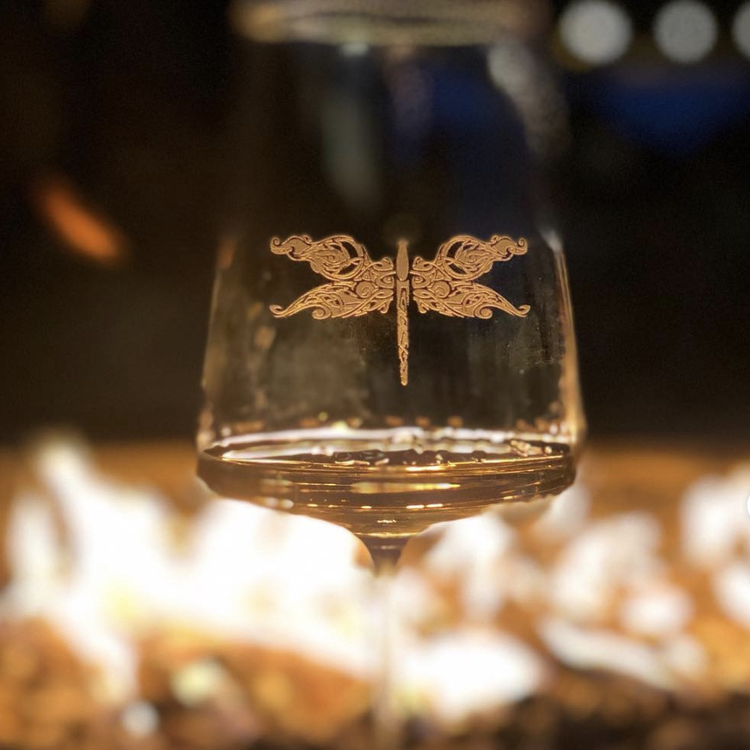
News & Stories / Mycology & Art News Mushroom Photo Exhibition An exhibition of Barbara Cordes' amazing fungal photography is on now at Odonata Winery Tasting Room . Deb • March 10, 2014 Odonata winery glass (from odonatawines.com). The exhibition is at 2343 Mission St. in Santa Cruz, March 6th-30th, 2014. I stopped in and I'll tell you, it was such a treat to see all the nice, drippy fruitings I missed this winter! Couple that with Dennis Hoey's delicious wine and you'll be a happy camper. Dennis got his start in winemaking working with Jeff Emery of Santa Cruz Mountain Vineyard and continues as SCMV's Production Manager. Members Only Content Login Join FFSC Related Posts Forager's Feast Photo Album Mycology & Art News Previous Article All News & Stories Next Article
- Four Dry Season Mushrooms | Fungus Federation of Santa Cruz
Four Dry Season Mushrooms At the beginning of the season, while we wait patiently for the fall rains to arrive, there are still some interesting sporocarps lurking in our local outdoor spaces. ... Two Princes Oyster mushrooms ( Pleurotus ostreatus ) and the Prince ( Agaricus augustus ) often fruit in the summer fog season, and Dead Man’s Foot or the Dyers Puffball, ( Pisolithus arhizus ) pops up unexpectedly in dry meadows and sandy trails with hardly any moisture. But one of the most spectacular dry season fungi is the Hardwood Sulfur Shelf, Laetiporus gilbertsonii . Chicken roosting In our area, L gilbertsonii is found on eucalyptus, oak, and other hardwood species. It can grow on logs, stumps, or on dead or living trees and can fruit in inland valleys during the driest part late summer without any sign of nearby moisture. It first appears as a small blob, expanding into broad semicircular shelves that can form rosettes or impressive clusters with overlapping layers. The main body is a striking salmon pink to orange color with bright lemon yellow or sulfur yellow pores on the undersides of the tips. When fresh, the colors are vibrant and the texture is soft and spongy. (Members can view photos of a Time Lapsed Laetiporous for examples of this growth.) With age, the fruiting body slowly turns lighter in color and becomes harder and more brittle, eventually turning dull white. Crumbly remnants can persist for months before slowly weathering away. Laetiporus is a brown rot fungus, a type of saprobe which breaks down the cellulose in dead wood. The affected wood will often appear brown, cracked, and shrunken with a soft brittle texture. It is also parasitic, so living trees can be hollowed out and drop large branches or break in strong winds, so you have reason for concern when you find this fungus on that old oak tree that is shading your house. But on a more positive note, when fresh and tender, Laetiporus gilbertsonii is a prized edible, commonly referred to as “chicken of the woods.” It is one of the “foolproof four” wild edible mushrooms recommended by Clyde Christianson in his book Common Edible Mushrooms , first published in 1943. Along with the giant puffball, ( Calvatia gigantea ), morels ( Morchella sp. ), and the shaggy mane ( Coprinus comatus ), “chicken of the woods” was considered to be a choice edible that was both abundant and distinctive enough that a prudent beginner could easily identify it without risk of confusion with any dangerous species. But of course nothing is completely foolproof. Christianson’s “chicken of the woods” was Laetiporus sulphureus , which has since been divided into at least eight distinct species including our L. gilbertsonii and another western species L. conifericola , which not surprisingly grows on conifers. Most of the species are so similar, that they cannot be differentiated by macroscopic or microscopic physical characteristics alone. Looking at the species of wood they are growing on, location on the tree, and region where they are found provides some clues, and DNA sequencing is ongoing to clarify the definitions of this group of similar species. Luckily, all seem to be relatively safe edibles. What is meant by relatively safe, you might ask? Just like chicken, chicken of the woods should be cooked thoroughly. Though it is not fatal, people have been sickened by eating raw or undercooked Laetiporus . Only tender young fruiting bodies or the tender outer tips of older specimens should be eaten. There are reports of gastric upsets caused by fungus harvested on eucalyptus, though many people (including the author) have eaten L. gilbertsonii from eucalyptus without any ill effects. Still it is best to eat just a bit the first time to make sure you don’t have a bad reaction. L. conifericola is equally edible and should be treated with the same precautions. And again, don’t forget to cook it thoroughly. But when well cooked, this mushroom does make a good chicken or meat substitute. With its firm flakey texture and a bit of imagination, some people claim it tastes just like chicken (or snake or turtle etc). There are about as many ways to cook this mushroom as there are to cook chicken. Here is one recipe to start with, Curried Green Beans with Sulphur Shelf . Mushrooms covered: See code Previous Description All Featured Fungi Next Description
- Hygrocybe Punicea Group | Fungus Federation of Santa Cruz
Hygrocybe punicea grp. Photo by Cass Fuentes Hygrocybe Punicea Group Cass Fuentes These Hygrocybe were growing in a mix of mostly Bay Laurel and Oak, in the Santa Cruz Mountains near Los Gatos. Being the first time I encountered the "Scarlet Waxy Cap", I was mesmerized by their beautiful color, and taking pictures of them started my path in mushroom photography. Camera Nikon COOLPIX S220 Focal L. 6mm Aperture f/3.1 Shutter Sp. 1/200s ISO 122 Flash Off Photo taken on February 28, 2010 Mushroom(s) ... Previous Photo Back to Gallery Next Photo
- Learn About Mushrooms | Fungus Federation of Santa Cruz
Learn About Mushrooms The Fungus Federation of Santa Cruz is all about educating its members and the general public about the dangers and delights of collecting, studying, consuming , and creating art with wild mushrooms. We understand that people learn in different ways. We aim to offer something for everyone! Winter Chanterelles Bunch. Photo by Yevgeny Nyden Classes & Speakers FFSC members take ID classes & workshops from our science advisors to learn the systematic procedures of mushroom identification. This is particularly critical for anyone planning to eat wild mushrooms. We host monthly speakers , and also invite speakers to present at the Santa Cruz Fungus Fair and some of our Long Distance Forays . Plus, we share recipes for mushroom dishes, along with information about external classes for people interested in photographing mushrooms, cooking mushrooms, and even creating crafts with mushrooms! Online Learning Our Featured Fungi pages highlight some of the local (and few not-so-local) mushrooms that you may find in your wanderings, courtesy of our current and past science advisors and foray leaders. As tech evolves, we're also experimenting with new ways to share tips and advice to help people learn about mushrooms! Check out our free FFSC Online Learning area for our first few programs on how to get started with collecting and identifying mushrooms. Note: The educational content we provide on this website is intended to supplement (not replace) formal classes, published books and field guides. Informal Knowledge Sharing Many FFSC members enjoy sharing their knowledge and experience via our Google Group mailing list, as well as in person at our club events, and at our biggest event: The Santa Cruz Fungus Fair. Knowledgeable members of FFSC make themselves available to provide mushroom ID services to others. (In fact, local hospitals have consulted with a select group of our science advisors for many years, to evaluate mushroom poisoning cases.) Special Projects & Scholarships Are you working on a mycology project at your school? FFSC offers scholarships and grants to support STEM and mycology research. See our Scholarships page for more information. More Resources Other Mycological Clubs Other Nonprofit Resources Members Only Content Login Join FFSC
- 2016 Alaska Foray Field Report | Fungus Federation of Santa Cruz
News & Stories / Field Reports 2016 Alaska Foray Field Report Before going, Noah Seigel was saying it was going to be a banner year for mushrooms in Alaska... I was getting excited and checking the weather of Soldotna months before the trip. My palms were sweating. Katherine (Kitty) Elvin • September 18, 2016 Cruise view. Photo by Katherine Elvin This will be my fourth consecutive trip now and I am an Alaskan fixture at Bill White's Sports Lodge. I will start off with Hugh's unique verbiage of our trip,"North.. to Alaska, we're goin' North, the rush is on! It rained for two weeks before we arrived in Alaska. Locals said it rained for a month. Wednesday we landed in Anchorage and the sun came out. Everything was wet. No sign of rain. We arrived two days early so we could do something other than mushroom hunt (!). After all, this IS our 4th trip. (On our 3rd visit we said that it would be our last). We drove to Seward. Arriving there, itwas still raining. It rained all night. It rained harder. It was rainingThursday when we woke up. And then... it stopped. The sun came out and it never rained again for our entire 11 days inAlaska! (Forecast for days after we left was rain). View from the cruise Thursday morning we took a six hour cruise to Kenai Fjords NationalPark. There are no roads in this park, paved anyway, and it is our nation's largest park next to Denali, also in Alaska. (Denali has roads). I've got to tell you; until you've been up to the face of a glacier in the ocean, you have not experienced a glacier. Although the face of Holgate Glacier is 200 feet high, all scale is lost.The captain shut the engines down. The whole scene appeared to be static, motionless.Silence. Then great cracks and explosions were heard in the ominous silence, asif from many bolts of lightning. The sky was clear. Pieces of ice, some as big as cars, fell off the face from multiple sites. In actuality we were not near the face at all. The sound was arriving too late! The ice was hitting the water as the sound arrived in great rolls!Silence again. But static? No! Is that a creek at the base? No. A river, hardly noticeable on this scale, was gushing from a void at the base of the glacier, violent and raging like a boiling cauldron. This is no creek. This is beyond description. The next day we went Zip Lining. Sandi and I have done this in theTropics a couple times and I must say here, I think the Tropics were much more fun. But the Arboreal forest has much to offer in it's own right. One of our guides knew the trees and our other guide knew the berries and plants, the forest floor. He knew of 6 types of berries that were edible and other plants with medicinal uses. They knew almost nothing of mushrooms. Although they did know of Morels and Chicken Of The Woods(which we found), that was the extent of their mushroom knowledge. Sandi and I started pointing out mushrooms from our perches up in the trees. There were Russula , Cortinarius , Leccinum , Hedgehogs, Hebaloma , Clitocybe , Yellow Feet... too many to name. They were fascinated! I showed them a few they could eat, the differences, the warnings. It was an exciting trip for all of us. They were ready for a hunt and they had access to the land. What a day! On the Kenai Peninsula everywhere we went is one hour forty minutes away. Anchorage to Seward. Seward to Sterling. Sterling to Seward! Sterling to Homer. Homer to Sterling! Everywhere, that is except for the mushrooms. The mushrooms are not far apart at all. The mushrooms are everywhere you step. Just try and NOTstep on one. Go ahead. Think you can do it? ... Sent two dehydrators ahead of us. Shoulda sent 4. Running 5 right now. Coulda used one more. (That's a poem). Ted showing off an Alaska Gold The hunts were awesome. We found King Boletes, Chicken Of The Woods, Hedgehogs, Hawk's Wings, Yellow Feet, Matsutake, Man On Horseback, Gypsies, Alaska Gold, Bears Head... But those are the mushrooms I didn't eat. Weird huh? Yeah that's weird. But I'm Hughish. I actually tried several though... King Bolete (stipe, no. Cap, fair, on the BBQ), Matsutake (better in Top Ramen), Alaska Gold (no), Russula xeramphalina (no), Man On Horseback (pretty good), Bears Head (that's good!). It really DOES depend on the chef and the method, doesn't it. We have added many species to the original list created by our group from the 2010 trip. Debbie, Irene, Mark and Phil documented 192 species on that list. That was the trip where we had several Mushroom Wizards in our group. A Wizard is one of those people I look up to. Wizards can identify pretty much any mushroom, at least to Genus. Mushrooms not on the 2010 list include Laetiporus conifericola , Ganoderma applanatum (Artist's Conch), Hygrocybe (2 species), Amanita (grisette), Inonotus (Chaga), Neoboletus luridiformis ( Boletuserythropus ?), Daldinia , Hericium abietis (Bears Head)... To make a long story short, it was another great trip! Now we are home to the Dog Days of Summer. But what a trip! Farewell, Alaska Parting thoughts, Fungi are an ubiquitous, integrated part of life on Earth. Fungi break down organic material until that material cycles again into that which went before it. Mushrooms are everywhere, more common than plants. Life on this planet could not exist without fungi yet few people consider them if they notice them at all. I feel very fortunate to have been exposed early on to the macro world by my mother; the insects in the yard, the fauna in the puddles, and the vast array of creatures in the oceans' tide pools and then, by my brother, the fascinating diversity of the forest and the forest floor. What a thrill! And last, A special thank you to our gracious hosts, Bill and Jerri, who also extend their thanks to their son. Without their son's influence, and without Bill and Jerri's, this kind of trip may not ever have happened. Without them, we may never have experienced Alaska. Thank you!" Hugh sums up our trip pretty much. We found many mushrooms. The B. edulius was plentiful near the lodge, but with all that sunny weather many were big and beautiful, but buggy. As we headed out toward Seward and Girdwood they were younger and pristine. More mushrooms we collected (try to stop us), more mushrooms we had to prep and dry. All the agony of cleaning and prepping a trunk load of mushrooms, pounds and pounds. You got to feel sorry for us! Denali Several of us got on planes and got an amazing unobstructive view of Denali and joined the lucky 10% club, where I too am a member (year 1) while some of us went out to Cooks Inlet to view grizzlies. Both groups got amazing views of glaciers along the way. "The flight over Denali was the high point of the trip for me. Crystal clear weather; glorious views. Loved seeing the Native art exhibits and picking lots of boletes. Potlucks were fantastic. Hugh's antics were delightful and everyone was in high spirits (with a few resultant hangovers)"- Richard Rammer Alaska is truly the last wilderness we have and we need to cherish it. We can freely pick mushrooms in all the parks and they cheer you on, what a breath of fresh air. "What a spectacular time we all had in the Land of the Midnight Sun! The best company, breathtaking scenery, delicious food , more mushrooms than one could take home, tons of laughs and almost too much fun!. What more could anyone ask for!" -Ron Bader Thank you Bill and Jerri for introducing Alaska to us. For those who have made it here, we are lucky. I want to come back... so much more to do and see. "Another magnificent Alaskan foray! Great people and phenomenal mushrooming in the midst of incredible natural beauty. What's not to love? Hard to choose just one highlight, so take your pick: Crossing Kachemak Bay with otters and a pod of humpbacks, followed by a spectacular hike. Denali! Epic quantities of boletes. Mushrooms to dye for! This was my third visit and definitely not the last." - Debbie Johnson Now if I can shake off the tiredness. Days in the Alaskan summer where the sun does not go down until 9PM mess with your cerulean clock. You wake up early and go, go, go all day - hunting, fishing, shopping, hiking and eating. Crash to sleep at midnight. So when you come home, you are dragging for days until you body says OK, I finally made up the rest you failed to provide me on your vacation. Smile Till I return, I will have to hang on to the memories... This was my husband's first trip to Alaska. If his smile is not an advertisement, I don't know what is. Check out the Members Only section below for links to more photos. Members Only Content Login Join FFSC Related Posts 2015 Alaska Foray Report Field Reports Previous Article All News & Stories Next Article
- Fungus Fair Sculpture at the Wharf | Fungus Federation of Santa Cruz
News & Stories / Mycology & Art News Fungus Fair Sculpture at the Wharf Santa Cruz Main Beachgoers were presented with an big, bodacious Fungus Fair sand sculpture last weekend courtesy of FFSC member Bill Lewis. Deb • January 6, 2014 Fungus Fair sand sculpture by Bill Lewis. Photo by Joe Paquin. Is this not incredible? Thank you, Bill! Thanks to Joe Paquin for the photo. Volunteer for the Fungus Fair - it's happening this coming weekend! Setup starts on Wednesday. We still need volunteers, so this is an ideal time to sign up. Click and link and go for it! Set Up : http://ffsc.ivolunteer.com/setup Fair : http://ffsc.ivolunteer.com/fungusfair See you there! Members Only Content Login Join FFSC Related Posts 40th Fungus Fair: Time lapse of the Island setup Fair News A Short History of the Fungus Fair Fair News Previous Article All News & Stories Next Article