322 results found with an empty search
- Featured Fungi | Fungus Federation of Santa Cruz
Featured Fungi Ready to get into the woods? Browse our list of featured fungi for tips and intel from our science advisors, ID specialists, and experienced foragers and learn about some of the common and not-so-common mushroom species you might encounter in the wild. Fort Bragg, 2021. Photo by Hugh Smith We hunt mushrooms for study, for their beauty and/or strangeness, and in some cases for the table. The pages and stories our members provide on this website are not intended for you to use as an ID guide for edible mushrooms. You must must be qualified to positively identify every individual mushroom in your collection as an edible species before eating it. Remember: "When in doubt, throw it out!" When collecting fungi for the table: Learn how to use a formally published field guide correctly. Get help from ID specialists to verify the identity of mushrooms you're still learning to identify. Don't assume nearby or look-alike mushrooms are the same species. Identify every single specimen. If you live in the Bay Area, you can join the Fungus Federation of Santa Cruz or a related mycological club to gain more skills. For example, in FFSC's mushroom ID classes you will learn how to use and then practice using the classic field guide Mushrooms Demystified by David Arora, with a science advisor available to confirm/correct your ID attempts. On our local forays and long-distance forays , our science advisors and experienced members can also help you identify mushrooms you've collected. You're also welcome to bring mushrooms you've found to any of our events. Here are a few other useful resources about eating mushrooms The Mycophagist's Ten Commandments Mushroom Poisoning Potluck Essentials What We're Reading (field guides and more) Get intel about some of our favorite mushrooms below, and check out our Fungi Photo Gallery for some of our favorite photos! Filter by Mushroom Close A Bolete by Any Other Name... ... Many mushrooms we see in our local woods now have a new name or spot in the myco tree of life. One of our most prized groups of local mushrooms, the boletes, is no exception. Let's look at some name changes that you might need to be aware of if you're using older field guides. Agaricus Reflections ... When I was a boy, my father, sister and I would pick Agaricus cupreobrunneus, campestris, and sometimes bitorquis . We enjoyed them, by themselves, cooked in a little butter, or with other foods. They were a delicious part of early winter. Coccoras ... Coccoras are one of my favorite mushrooms to see and collect. The distinctive colors, thick cottony cap and striation on the cap edge makes this Amanita a little easier to ID. If I am unsure at any point, it stays in the ground and I take away the memory, image and sometimes a photo. Coprinus comatus -- What Is Going On With That Inky Cap? ... Learn about the fascinating and at times powerful liquification scenario known in biological terms as deliquescence or auto-deliquescence , one of the key morphological characteristics associated with this long-appreciated edible mushroom. Fomes fomentarius, the “Tinder Fungus” ... Most of us enjoy the process of walking through moist forests in search of fungi for the table. For some of us, it is the hope of finding a rare or unusual species that draws us to the woods. But in a time before matches and Bic lighters, a hike in the woods yielded fungi that held the promise of a fire . Four Dry Season Mushrooms ... At the beginning of the season, while we wait patiently for the fall rains to arrive, there are still some interesting sporocarps lurking in our local outdoor spaces. Galerina marginata (autumnalis), aka “The Deadly Galerina” ... In this article we take a look at a little brown job, that is dear to my heart but probably not to most of yours. Honey Mushrooms - Armillaria mellea ... Objects or firewood stacked up against a trunk, misguided nearby plantings, surplus soil or mulch, and other man-made sources can allow certain mycelium to infiltrate oak, maple, grape vines, blackberries, and orchard trees and shrubs. Mark shares some lessons from his professional experience with mitigating and preventing "Oak root rot", a.k.a, Armillarea Root Rot, or Armillaria mellea . Hygrocybe laetissima (Waxy Caps) ... As deep winter settles on the Redwood Coast, you’ll begin to notice many small red, orange and yellow Waxy Caps (Hygrocybe ); sprinkled through the understory of redwood forests; beacons of color in the dark duff. Hygrocybe singeri, Western Witch's Hat ... Have you ever found a bright orange to red waxy cap, and brought it home only to find your once colorful mushroom was dingy black colored? You have found one of the blackening Hygrocybe , or the “Witch’s Hats”. Inky Caps - from "Basic Inky Cap ID for California" ... "Out of the millions of different kinds of fungi out there, I think that inky caps are the coolest by far. They are called inky caps because they dissolve into black ink when they get old. They are also often misidentified, so I put together a list of the common inky caps and their differences." Lawn Agaricus ... This featured species turns up in the plastic bags of people attending the Fungus Fair perhaps more than any other fleshy fungus. Invariably, hordes of people will be lined up at the mushroom ID table with bags containing fresh to soggy specimens of Agaricus mushrooms they found “growing in my lawn. Are these edible? Will they poison my dog, cat, kids?” Marasmius plicatulus ... This species has a lot of features setting it apart from the rest of it’s marasmioid brethren: electric-sunset stipe coloration, oddly wiry-stipes (often tipped in pom-poms of creamy-white mycelium), and finely velvety caps often covered in beaded-up water droplets. Meet Amanita pruittii: Arora’s Amanita, Anonymous No More! ... Those of us who are passionate about all aspects of wild mushrooms are a breed apart. As mycophilic outliers to the societal norm, what better focus for our discerning attention than a mycological oddity like the renamed Amanita pruittii ? This mushroom is unimposing, squat and warted, sometimes grows in standing water, and most curiously, is not found with a mycorrhizal partner! Mycophagy Challenge: Ten Edibles to Find this Year ... People come to the love of mushrooms for various reasons, but for most in this club, the main reason seems to be that they are good to eat! By focusing on learning just a few mushrooms really well, you can “pick up” a few new species each year almost effortlessly. Snorkeling for "The Rogue" Mushroom ... Robert Coffan, an Adjunct Professor of water resources at Southern Oregon University, was vacationing with his family on the Rogue River. A bit of wading resulted in a surprise: He discovered a new species. Sorry, it's a Suillus ... "Look at all these Boletes!" As an eager beginner, you spend an hour in the woods collecting what you think is going to be the meal of the year.... Sorry… it's a Suillus . It's the culinary equivalent of a wet sponge, and a maggot riddled one at that! The Chanterelles ... One of the first wild mushrooms that beginning foragers seek out is our local golden chanterelle. That is most likely because it is relatively abundant, is easy to recognize and has a reputation for being a good edible. For many years, these mushrooms went by the Latin name Cantharellus cibarius . It was only recently that the various different chanterelle species have been given their own unique names. Top Ten Poisonous Mushrooms of California ... Many people come to the love of mushrooms through eating them, and many people don’t eat them because they can be very poisonous. Tricholoma Murrillianum (Matsutake) ... Of all the choice edible mushrooms that occur in our area, none eluded me longer than the matsutake, Tricholoma murrillianum . Wavy Caps (Psilocybe cyanescens) ... Psilocybe is the primary genus of hallucinogenic mushrooms, containing such famous species as Liberty Caps (P. semilanceata ), Cubes (P. cubensis), and the topic of this article, Wavy Caps (P. cyanescens ). What is Not to Love About The Prince? (Agaricus augustus) ... Just when you thought the mushroom season was over, “The Prince” may appear, providing mushroom enthusiasts a culinary bounty. Tall, stately, golden-hued and perfumed like almond paste, this royal-sized mushroom often fruits in warm weather. Coming upon the Prince unexpectedly can be an experience to remember.
- Support | Fungus Federation of Santa Cruz
FFSC Website Support Where Did Things Go? In November 2025, we started moving this website to a new system. Here is a list of what is still being migrated. Learn More FFSC Account FAQs Having trouble entering info? Can't find your membership payment? We're here to help. Learn More FFSC Terms of Use This website is managed by the Fungus Federation of Santa Cruz , an independent 501(c)(3) nonprofit based in the state of California in the United States of Amercia (EIN 77-0085878). Learn More FFSC Privacy Policy FFSC respects your privacy. We don't sell your personal data to other parties. Learn More Website Cookies What are cookies, how to delete them, and other FAQs Learn More FFSC Accessibility Statement This statement was last updated on August 12, 2025. We at the Fungus Federation of Santa Cruz are working to making the ffsc.us website accessible to people with disabilities. Learn More
- Mushroom Photo Gallery | Fungus Federation of Santa Cruz
Mushroom Photo Gallery Beautiful, interesting, awe-inspiring or just plain quirky mushroom images that our members have shared. Coprinus (inky cap). Photo by Stephanie Tucker Photography for ID Purposes You can also send us photos if you'd like help with identifying a mushroom you've found. Check out our tips on how to create photos for mushroom ID purposes. Many of our members explore the fields and forests with camera in hand, taking photos of mushrooms they find. We've collected a few of our favorites below. Browse our Featured Fungi pages, news articles and field reports, and social media channels for more photos from our members. Showcase a Photo Got a great shot? Whether it's coffee-table-book-beautiful, shows a field guide level of detail, or conveys the sheer joy of mushrooming, we'd love to see it!
- Relishing Medicinal Mushrooms Part III | Fungus Federation of Santa Cruz
News & Stories / Relishing Medicinal Mushrooms Part III Part 3 of 3. Chef Zachary Mazi • May 1, 2013 Chanterelle. Photo by Yevgeny Nyden Chanterelle Chanterelle ( Cantharellus spp. ) mushrooms are among the most delicious of mushrooms available in the fall and the spring. In a talk at the 2012 North American Mycological Association annual event, David Arora introduced the audience to the fact that over 50 species of chanterelle mushrooms are harvested commercially in Zimbabwe. This mushroom is eaten and used as medicine worldwide, and has a wide variety of textures and flavors. For us at Food Is Medicine, these morsels are always a treat, especially when used in confections. Cal Stamenov, Chef of Bernardus Lodge in Carmel, CA combined this fragrant mushroom with caramelized white chocolate at the 39th annual Santa Cruz Fungus Fair…let your mental taste-buds feast on that! Chanterelles have all eight essential amino acids, are 21% protein when dried, and are a good source of iron and potassium. Because of its high content of both vitamin A and beta-carotene, this mushroom has been indicated for night blindness and eye inflammation in China, as well as a treatment for vitamin A deficiency. It is known to remove radioactivity from the body as well, though this property also holds true for the environment, so be sure of where you are picking your delicacies! In Tanzania, in combination with other mushrooms, Chanterelles are used in a powder prescribed to help combat the ravaging effects of HIV/AIDS with good results. The hot water extracts of this mushroom shows promise against many bacteria as well. Not a bad report card for a mushroom that would be as delicious even without these amazing properties. Oyster Next we turn our attention to the tree mushroom, Pleurotus ostreatus , or oyster mushrooms. There is significant research underway to find ways to access a compound in oyster mushrooms that mimics the opioid pathway for pain reduction, without the side effects or addiction associated with these popular pain medications. Oyster mushrooms are a nerve tonic, and some constituents reduce acute neuropathic pain quite effectively. In Finland, an over the counter medicine called Remesan, which is 2/3 dried oyster mushroom, is used internally for easing growing pains in children as well as used externally to get rid of warts and other skin blemishes and keep them away! Water extracts of oyster mushrooms showed significant inhibitory effects on tumor growth, preventing the DNA of tumor cells from repairing and causing cell death. Breast cancer and prostate cancer were inhibited by water extracts of these fungi; and in Robert Roger’s book The Fungal Pharmacy , he reports that in vitro studies of oyster mushrooms showed a 100% inhibition rate of sarcoma 180, a common cancer cell line used in laboratories to perform tests…100%!! (Rogers). Like shiitakes, oyster mushrooms can be used to lower serum cholesterol, acting as a natural statin drug with no contra-indications with alcohol consumption. Rats fed a diet of just 2% oyster mushrooms lost weight and increased the body’s ability to metabolize fats that had previously been stored in the adipose cells. In fact, these mushrooms prevented further adipose cells from forming while minimally part of a normal diet! While these mushrooms are available commercially as a nerve tonic, they are still not available for cholesterol reduction, despite their effectiveness. But you can use them in your kitchen without FDA approval. Morel Though perhaps not consumed in even near the volume of the first four mushrooms, the morel mushroom ( Morchella spp. ) is nevertheless one of the prizes for mushroom lovers. It is widely available commercially, but not nearly as easy to find and collect wild as perhaps the chanterelle. Nutritionally, morels have 17 unique amino acids, magnesium, and accumulate gold (as well as lead: picking morels in mining areas or polluted areas can be very hazardous). There is a mystique to the morel, and essence of the morel earned it many names, some vulgar (star-sore), and some just bizarre (‘molly moochers’ West Virgina), some consistent such as ‘dryland fish’ (Kentucky), and ‘land fish’ by the Mohawk. This mushroom was believed to be the work of the devil in Poland; called star sores, penis, ears, and land fish by various Native American tribes. This is a weird mushroom! Morel mushrooms are quite poisonous when raw, even lethal, containing more dangerous levels of hydrazines like the Agaricus suite. However most, if not all, the toxins are evaporated and removed by cooking through the air; to this end, when cooking larger batches of morels, proper ventilation is recommended. Despite this factor, certain extracts seem to exhibit kidney protective action against pharmaceutical toxicity associated with cisplatin, a cancer chemotherapy agent, and gentamicin, a potent antibiotic. No study has shown these medicines are effective in whole consumed mushrooms however, requiring extraction by methods not used in the kitchen (yet?)(6). Morels contain gastro-irritants when eaten raw, but they act as a digestive system tonic when properly prepared and eaten. They soothe the stomach and intestines with medicines that are sized to be delivered to the appropriate spot in the body, and take much longer to be absorbed. In addition, they contain compounds that act as red blood cell destroyers in their raw form (hemolysins), but these two are also destroyed in cooking, and the prepared mushrooms boost the immune system with polysaccharide actions similar to other fungi. The mushrooms have been used for a long time in Chinese medicine for regulating Qi , as well as decreasing phlegm and shortness of breath, and acute asthma (7). Regardless of the cure or nutrition, this is a case where flavor trumps all, and provides another delicious and healthy reason to get out in the woods in the spring and summer, and to pay attention at the farmer’s market! We hope covering the very basics of these five well-known mushrooms will stimulate the desire to explore medicine in the food you love even further. Amazingly, Food Is Medicine hasn’t come across an edible mushroom described that does not also have elsewhere a description of its medicinal value. Not one! Each specimen has its own strengths and weaknesses, and of course there are mushrooms more potent than others, but not one single mushroom that we eat had zero effect on our mind, body, or soul! It is no wonder we are more enthusiastic than ever about the scientific and clinical data being collected about these mushrooms than ever before… but more than likely, we have not yet realized the full benefits that we will receive worldwide when we choose to adopt these ancient medicines into our diets as a regular food. References 1. Rogers, Robert, RH. “The Fungal Pharmacy: The Complete Guide to Medicinal Mushrooms and Lichen of North America.” Norht Atlantic Books, Berkeley, CA. 2011 2. Wayne, R.R. PhD; “Growing mushrooms the easy way: Home cultivation with Hydrogen Peroxide.” 2010; Randall R. Wayne. http://www.mycomasters.com/ 3. Agricultural Research magazine, USDA; July 2010, “Researchers study benefits of white button mushrooms.” http://www.ars.usda.gov/is/AR/archive/jul10/immunity0710.htm 4. Tanis, David; “Not an exotic mushroom, but a satisfying one.” New York Times. January 11th, 2013; City Kitchen. 5. Stamets, Paul; Fungi Perfecti informational website. “Fungi Perfecti Host Defense Supporting Natural Immunity.” 2013; QN Organic. http://www.fungi.com 6. Nitha B, Janardhanan KK; “Aqueous-ethanolic extract of morel mushroom mycelium Morchella esculenta, protects cisplatin and gentamicin induced nephrotoxicity in mice.” Food Chem Toxicology 2008 Sep. http://www.ncbi.nlm.nih.gov/pubmed/18692113 7. Haynold, Bernd. Sourced from Wikicommons. Found on http://healing-mushrooms.net/archives/morchella-esculenta.html August 2008. Members Only Content Login Join FFSC Related Posts Relishing Medicinal Mushrooms Part I Relishing Medicinal Mushrooms Part II Previous Article All News & Stories Next Article
- Russulales News – Website for Russula Lovers Is Back Online | Fungus Federation of Santa Cruz
News & Stories / Russulales News – Website for Russula Lovers Is Back Online The Russulales Newsletter, from the 1990s, has been resurrected via the joint effort of an international team of mycologists. Wendy Wells • April 2, 2011 Russula brevipes. Photo by Katherine Elvin You can’t go wrong with 400+ species on the site. Check it out, all you Russula fans: https://www2.muse.it/russulales-news/ For example, see the online synoptic key to the species of Russula in North America https://www2.muse.it/russulales-news/id_kibby_fatto.asp Members Only Content Login Join FFSC Related Posts Previous Article All News & Stories Next Article
- Time Lapsed Laetiporous | Fungus Federation of Santa Cruz
News & Stories / Field Reports Time Lapsed Laetiporous Time lapse of chicken-of-the-woods growing over 11 days. Phil Carpenter • October 12, 2023 Day 11 (Laetiporus time lapse). Photo by Phil Carpenter I discovered this Laetiporus growing on one of my eucalyptus stumps. To record its growth, I took the same picture every day for 11 days, and sent them out to club members, so we could all watch its growth together. Members Only Content Login Join FFSC Related Posts Phil Carpenter receives Knighton Award at Appalachia NAMA 2023 Field Reports Previous Article All News & Stories Next Article
- Mystical Glow in the Dark Dark Woods | Fungus Federation of Santa Cruz
News & Stories / Writings Mystical Glow in the Dark Dark Woods Don’t you just love tales of the elusive, finally experienced? The green flash of sunset over water, the evanescent glow of the Jack o’ Lantern mushroom... Debbie Viess relates a really magical story. Debbie Viess • February 1, 2013 Omphalotus olivascens. Photo by Debbie Viess I had been cooped up in my house for too many days, so I dashed over to my fave park in Oakland, Huckleberry Preserve, to do a brisk, late afternoon walk and glory in the damp. For once I decided to lighten my load, so no camera, no binocs, just a bit of water and some well-appreciated layers of warm clothing. Original Headline from February 2013 Duff As I broke off a piece of likely-looking crust fungi from a rotten log at the park entrance (since taking Tom Bruns’ crust class at NAMA, I have fallen hard for this surprisingly interesting group of fungi), a woman came up along the trail and said to me: “You’re a Mycologist!” Busted. She then said that she had taken a class with me somewhere. So much for anonymity. I told her that crusts didn’t look like much in hand but got pretty spectacular under the scope. She just had to take my word for it, though. But after her, no one. Nothing like rain and mud to clear out the tourists. I pretty much had the place to myself, which is just the way I like it. Well, just me and the plants and birds and fungi, one big happy family. The red under-brim of my rain hat is really pissing off the Ruby Crowned Kinglets, though, since they consider it to be a color signaling aggressive faux pas. ..not much I can do about that, just be grateful that they may be feisty, but they are also very, very small. I made my apologies to them as I walked by. Can’t please everyone. The woods were gorgeous and fungi filled: mycenas, candy caps forming a conga line on a vertical mossy bank right along the trail (too small to pick and so pretty to see), a mystery Hygrophorus, Camarophyllus russocoriaceus , with its refreshing odor of cedar, Hygrocybe punicea , that big red waxy, ridiculously small white mycenas dusted into tree bark moss, a tiny Xerocomus sp., Stereum and Turkey tails, bright and refreshed by the rain, and at days end and as I came upon the last twists of the trail Oh! My! God! A huge fruiting of Omphalotus olivascens . It spilled along the back side of a big eucalyptus stump, and sprawled down into the canyon, following the buried root system. Best sighting ever, and no camera!!! Aaaaaaaaaaaaaaaa. While I mentally plotted to return to take a photo (and it would not be easy since there was no good vantage point, it just dropped straight down off the trail) I realized just what kind of mushroom I had there...a bioluminescent one, and darkness just a shot away. Why not just seize the moment and observe the bioluminescence directly in nature? Of course, I had no flashlight, but I know the trail well, having walked it oh, maybe a thousand times, and it was pretty close to the entrance and my eyes would be adjusted to the dark...so I decided to wait it out and see what I could see. It was 4:30. I figured that it would start getting dark after 5, so what the hey. I plunked myself down atop the stump and settled in for the wait. A female Great Horned Owl woke up and started her contact calls, calling for her mate. She sounded so lonely and there was no answering hoot, so I finally gave a hoot myself. As dusk fell, she flew beneath me into a opening, and rose to a hidden perch. Then she flew a bit closer. I sat still and quiet, startling another bird coming in to roost, and a couple of late afternoon hikers, too. At five pm, the owl’s mate started calling back. But still there was a bit of light in the sky, too much for my eyes to perceive any possible spectral glow. Once the sun dipped, the temps did too, and I was very grateful for every bit of clothing that I had brought along.And still I waited. By now it was too dark to make out much detail. I knew that the ground behind the stump dropped sharply, and my viewing vantage from above was not great, so I inched along the side of the stump at a crouch, and grabbed onto a thick huckleberry branch on my right, to stabilize myself in case I slipped, and waited some more. I started to notice a glow on the wood of the stump just inches from my face, in the cracks of the bark. Darned if the Omphalotus mycelia wasn’t glowing, too! As the darkness grew thicker I started to see light along the edges of the Omphalotus caps, borne in thick, cascading fungal scallops below me. The wind was blowing away from the trail and on and down into the canyon and I stated to see puffs of phosphorescence...could the spores be bioluminescent, too? Oh man, this is SO cool! In the back of my head was the thought that my husband David was probably getting worried at home...I had claimed to be returning for dinner, heck I claimed to be making dinner, but this was an opportunity to be seized, and I had no way to contact him. I couldn’t even keep checking my watch since it glowed and ruined my night vision. Screw it, I was in for a pound.Finally, after watching the caps glow and feeling guilty over David and starting to worry just a bit about how the heck I was gonna find my way out, I started to leave...but was drawn back one more time. This time, I laid on top of the stump and looked down... The edges of the caps gently pulsed with eerie green bioluminescence. In fact, there was a spill of spectral light from the stump right below my face and flowing down into the canyon. Wow. I had to drag myself away. Heading back for that last quarter mile, I did my best Helen Keller imitation, using my hands (brushing sword ferns that lined the path) and feet to help find the path. I knew where I was supposed to be, and I could still see a bit of light at the very top of the trail above me, but I sure couldn’t see very much at my feet! Luckily my instincts took over, and I slowly but surely came up the trail. At one point I almost panicked when I thought that I had lost the trail, but I stayed calm and persevered. Whew. Back safe to the car at 6:30, I called David first thing, and yes, he was relieved to hear from me and about to come out looking for me. If indeed I had gotten off trail I would have been grateful to have seen his flashlight, but all was well. Better than merely well, it was magical. For the price of a little bodily warmth and a bit more time than anticipated, I observed an awesome natural phenomenon. Just me and the spooks. Cool beans. Debbie Viess. Photo by David Rust Debbie Viess, AKA Amanitarita, in modest Muscaria regalia. Upper ‘shroom from Wine & Mushroom party last year. Can you find another bit of muscaria kitsch NOT touching her body? Members Only Content Login Join FFSC Related Posts Previous Article All News & Stories Next Article
- Foray to Mexico | Fungus Federation of Santa Cruz
News & Stories / Foray to Mexico This is the fourth consecutive year Chris and I have joined our hosts, Gundi and Erik, for mushroom adventures in different parts of Mexico. Bill and Chris Green • December 1, 2009 Cooking with Seasons of my Heart. Photo by Bill Green Members Only Content Login Join FFSC Related Posts Mushrooms of Russia and Finland Adventures in Austria Previous Article All News & Stories Next Article
- Relishing Medicinal Mushrooms Part II | Fungus Federation of Santa Cruz
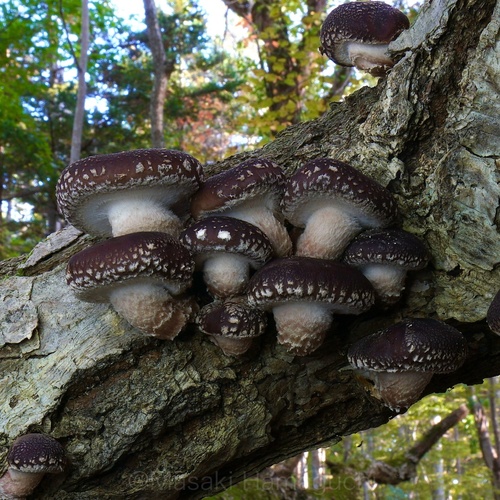
News & Stories / Relishing Medicinal Mushrooms Part II Food Is Medicine Coach/Chef Zachary Mazi welcomes you back to our two-part journey into the use of medicinal mushrooms in cooking. Chef Zachary Mazi • April 1, 2013 Photo copyright by Masaki Hamaguchi (https://www.inaturalist.org/photos/443071643) In the first part, we visited the history and use of medicinal mushrooms, and attempt to answer why, at this time in our history, we are inundated with a wealth of new knowledge on the subject. Now, in part 2, we will explore the medicinal values of many of our favorite edibles. We will also include more delicious recipes that Food Is Medicine has created to really relish this delicious medicine. In part 1, we explored the historical context for our desire to know more about mushroom medicines, learned a few of their traditional uses, and learned how vast and truly varied the subject is! Indeed, every year, scores of new studies using medicinal mushrooms and their fractionated parts and pieces are being explored. Their pharmaceutical grade, nearly side-effect-free medicines are indeed being eyed as the next cash crop for pharmaceutical manufacture. The results of these studies are often times staggering, as many of the medicines tackle some very trying problems such as cancer, heart disease, diabetes and brain disease, while leaving few of the side effects associated with our current medications. In certain cases, these medicines make changes in how our bodies respond in ways that can last long after the medicine is no longer ingested. Our body is physically changed! In order for our medicine to be able to utilized in cooking, it must either be medicinal when eaten in its whole form (bio-available) or it must be extractable in water, hot or cold. Miraculously, almost all of our commonly eaten mushrooms that you are likely to find in the grocery store, or even a local foray in the fall, have medicines that are available either from the tea, or decoction, or from consumption of the whole mushroom, either cooked or dried. Without leaving the comfort of Button, Shiitake, Chanterelle, Oyster, Morel, Porcini, Maitake, Chicken of the Woods, Cauliflower, and Matsutake mushrooms, we can find effective medicines for the nervous, digestive, skeletal, circulatory, and immune systems. In addition, within this small (and delicious) medicine cabinet, we also find help for skin disorders, and almost all specimens instigate positive tumor growth modulation, many even help with controlling viruses such as HIV/AIDS and hepatitis. And all of the above have some anti-microbial properties. Chicken of the Woods, or Laetiporeus sulphureus kills E.coli on contact! Sparassis crispa, the cauliflower mushrooms has shown promise against drug-resistant super bacteria… we may demand medicinal mushrooms in the near future if our antibiotic use continues unchecked. Maitake mushrooms seem to have more recorded health effects and means of deriving medicines than any of the above, and many of the medicines derived from this delicious mushroom require complex laboratories. Just Google “maitake medicine” and sit down for a long read. Laboratory or not, there is no reason to stop eating them! Just within this small and extremely accessible selection of fungi, we find vitamins A (and beta carotene), the entire B complex, C, D, K, CoQ10, minerals such as iodine, magnesium, iron, copper, gold, potassium, germanium, zinc, many diverse amino acids, including the essential eight we can’t manufacture in our bodies and must get from the environment. Not to mention a library of thousands of molecules both small and extremely large, (like the polysaccharides such as the beta-glucans that are receiving the spotlight for their clear role in cancer prevention and reversal) arranged bio-chemically into incredibly diverse suites of molecules, many newly discovered and named for their sources exclusive to the parent fungi (Rogers). There is great benefit in exploring the commonly known and recognized mushrooms for medicines. Many of them have been written about for more than a millennium, as in the case of shiitake ( Lentinula edodes , mentioned in part 1). Most common edibles—because of their relative accessibility—have been more thoroughly researched and studied over the past fifty years than many of the more obscure and difficult to access medicinal fungi. Unfortunately, it would take a book to talk about all of the benefits of each of these mushrooms, so we will touch on five of the most popular edibles, and leave the rest for another article or conversation…this topic is as vast as the unknown Kingdom itself. Agaricus It seems fitting, to discuss the delicious and healing properties of mushrooms in the order of popularity and familiarity. One mushroom amongst all others, so well known that it is the default that comes to mind when “eating mushrooms” is mentioned: the Agaricus mushroom. It is commonly known as the button mushroom, the crimini mushroom, or the mighty Portobello (the “adult” crimini). All three of these belong to the Agaricus bisporus (or A. brunnescens , depending upon whom you ask), and indeed there are a number of Agaricus mushrooms not commonly eaten that can provide powerful medicines as well, such as the Horse mushroom ( A. arvensis ), and the field mushroom ( A. campestris ). The common button mushroom has been used in Chinese medicine for many centuries, for easing indigestion, and increasing appetite. In 2008, the Journal of Nutrition published the following about a study at Tufts University: “The results suggest that white button mushrooms may promote immune function by increasing production of antiviral and other proteins that are released by cells while seeking to protect and repair tissue.”(3) White button mushrooms! The US produces 500 million pounds of white button mushrooms every year, a portion of the world trade, and of these almost 350 million pounds are grown near Kennett Square, PA, USA(4), which holds a yearly mushroom fest open to the public. Unfortunately, it is also one of the most common crops to rely on the heavy use of pesticides and preservatives like hydrogen peroxide, which is used to prevent browning and kill invaders(2). It is important to seek organic mushrooms exclusively, as these mass produced mushrooms are generally not washed before being served in even the most elegant eating establishments. What’s more, uncooked button mushrooms contain the carcinogen agaritine, a potentially lethal chemical in the hydrazine family (think: rocket fuel) that seems to break down during cooking. Some texts purport, however, that as much as 75% of the toxin does not even break down in cooking, and that long binges on these mushrooms can cause a toxic build-up in the body of these potentially lethal chemicals. The Agaricus is probably not a good everyday mushroom, but certainly not one to be simply forgotten in lieu of the more exotic mushrooms to which we now turn our attention. The medicine is in the mushroom! Shiitake Second in commercial popularity only to the Agaricus is the shiitake mushrooms ( Lentinula edodes ), which have now taken a significant bite out of the multi-billion dollar industry of white button mushrooms during their 30 year rise in use and popularity. These are flavorful and indispensible addition to the refrigerator pharmacy. First, they are easy to grow at home, even easier to find at almost any grocery store, and are often grown locally because of their viability as a crop. Second, very few pesticides are needed to grow these beauties; and third, both their taste and texture can be well adapted to almost any style of cuisine despite their Japanese origins. Shiitake mushrooms have some very powerful medicines indeed. They have been shown to possess compounds that lower triglycerides, cholesterol and phospholipids in blood; decrease bile cholesterol while increasing bile acids, helping to emulsify and digest fats more readily. They are an effective alternative to statin type drugs, which have negative side effects, and decrease blood glucose and increase insulin in diabetic patients. In addition, they are immuno-stimulating, with better recorded activity than Trametes , Cordyceps and Ganoderma (reishi) mushrooms, all of which are currently getting more press than the humble shiitake for their respective medicines! Hot water extracts of shiitake, besides making a delicious miso soup broth, are effective in breast cancer inhibition, and one of the isolated compounds is medically prescribed in Japan for gastric cancer, lung cancer and melanoma. They work with the body systems, and are effective in stimulating the body’s own immune system against the offending cancer cell. In one trial the extract, applied externally to skin carcinoma, induced cell death in the cancer cell and had zero reaction in the adjacent healthy skin cells. Amazing! (Stamets). Even more amazing, they are anti-candida, and hot water extracts inhibit herpes, equine encephalitis, polio, measles, and mumps! The juice of the mushroom was especially effective against E. coli and Staphylococcus aureus , but left the beneficial bacteria in even better condition due to the presence and preference of their mushroom sugars! While some immune reactions have been recorded with shiitakes, it has usually involved dramatic exposure to the mushrooms, such as farm workers or gluttonous binges, rather than normal individual consumption. Eat shiitakes everyday. Coming next month: Oysters, Chanterelles and Morels Members Only Content Login Join FFSC Related Posts Relishing Medicinal Mushrooms Part III Relishing Medicinal Mushrooms Part I Previous Article All News & Stories Next Article
- SC Report, February 2014 | Fungus Federation of Santa Cruz
News & Stories / Field Reports SC Report, February 2014 I've been out 3 or 4 times in the last 2 weeks in a variety of locations. I've seen an abundance of very small mushrooms (<.5" caps), but few of any species any larger. It almost seems like things started to come up and then paused. Yevgeny Nyden • February 26, 2014 Nettles. Photo by Yevgeny Nyden Members Only Content Login Join FFSC Related Posts Collecting Conditions in Mendocino at ACCF 2014 Previous Article All News & Stories Next Article
- Spring Fungi of the Sierra Nevada, 2014 | Fungus Federation of Santa Cruz
News & Stories / Mycology & Art News Spring Fungi of the Sierra Nevada, 2014 (Cancelled) Once again, Dennis Desjardin and San Francisco State University will be offering their week-long class at the SFSU Sierra Field Station. Students will be introduced to the different kinds of mushrooms and other large fungi that occur in the spring in the Sierra Nevada. Cortinarius • March 30, 2014 Photo by Brian Perry, hosted on the sierra.sfsu.edu website Updated March 9, 2014: Sorry, this class is cancelled due to dry conditions. Emphasis will be placed on the analysis of macro- and micromorphological features, as well as ecological roles, to aid in the identification of taxa. The daily class routine consists of an 8:00-10:00 am lecture followed by a field trip until approx. 3:00 pm. Transportation on the field trips will be by car pooling. Upon return to the camp, collections will be examined and identified in the laboratory (3:30-6:00 pm) in collaboration with the instructor and a knowledgeable graduate student assistant. All equipment, microscope slides, cover slips and reagents required for accurate determination of specimens will be provided. In the evenings, several lectures and slide shows will be presented, and the laboratory will be open for additional work on collections. If sufficient quantities of edible fungi are collected, they will be prepared for consumption and served to the class by the camp's chef. Class runs June 1-6, 2014. Tuition is $348 with additional costs for room and board. For further information on the class, visit the San Francisco State University website. Spaces are available as of April 12, but don't delay too long. This class always fills up! Members Only Content Login Join FFSC Related Posts Microscopy of Gilled Mushrooms Previous Article All News & Stories Next Article
- Haikus Celebrating the Secret Life of Fungi | Fungus Federation of Santa Cruz
News & Stories / Writings Haikus Celebrating the Secret Life of Fungi FFSC President Richard Lyness challenged the membership to come up with our own haikus based on the 2016 Fungus Fair theme, "The Secret Life of Fungi". Katherine (Kitty) Elvin • December 17, 2015 Albion Finds. Photo by Zachary Hunter Haiku is a Japanese poetry form. A haiku uses just a few words to create an image in the reader's mind. Traditionally the haiku is written in 3 lines: Five syllables Seven syllables Five syllables Here are haikus our members came up with. "The Secret Life of Fungi" Fungus fair haiku mycellium duff spores rain creative and fun -- Richard Lyness "Fall" Fall is upon us The secret life of fungi Soon to be revealed - -Kathy Welch "Untitled" Cleaning chanterelles Golden glow beneath the mud My, that’s a big one! --Deb "Mushroom haiku" What mushroom are you? Small brown job or something more? Rain drops light your top. --Shea "Red drops" Little red drops peek Hiding in the fuzzy duff Yellow lips glisten --Shea "Mushroom Haiku" First-rain scent rising Moss-quiet expectation Pathless, perfect woods --Susan Labiste "Mushroom Haiku" Matsutake bride In deep humis lies the mate holds her threaded veil --Susan Labiste "haiku" hyphae intertwine beneath the moist duff and soil primordia grow --Marjorie Young Share More Poetry You can share your haikus or other poetry on the FFSC Google Group, FFSC Facebook group, and/or (as of 2025) our new FFSC Discord channel! Join our conversations your favorite way. Members Only Content Login Join FFSC Related Posts 40th Fungus Fair: Time lapse of the Island setup A Short History of the Fungus Fair Previous Article All News & Stories Next Article