Search this site
645 results found with an empty search
- Relishing Medicinal Mushrooms Part II | Fungus Federation of Santa Cruz
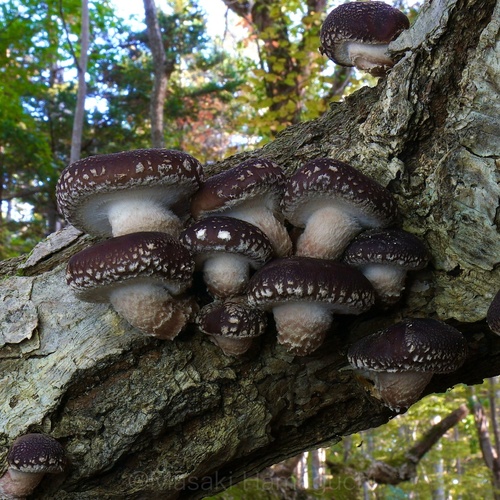
News & Stories / Mycology & Art News Relishing Medicinal Mushrooms Part II Food Is Medicine Coach/Chef Zachary Mazi welcomes you back to our two-part journey into the use of medicinal mushrooms in cooking. Chef Zachary Mazi • April 1, 2013 Photo copyright by Masaki Hamaguchi (https://www.inaturalist.org/photos/443071643) In the first part, we visited the history and use of medicinal mushrooms, and attempt to answer why, at this time in our history, we are inundated with a wealth of new knowledge on the subject. Now, in part 2, we will explore the medicinal values of many of our favorite edibles. We will also include more delicious recipes that Food Is Medicine has created to really relish this delicious medicine. In part 1, we explored the historical context for our desire to know more about mushroom medicines, learned a few of their traditional uses, and learned how vast and truly varied the subject is! Indeed, every year, scores of new studies using medicinal mushrooms and their fractionated parts and pieces are being explored. Their pharmaceutical grade, nearly side-effect-free medicines are indeed being eyed as the next cash crop for pharmaceutical manufacture. The results of these studies are often times staggering, as many of the medicines tackle some very trying problems such as cancer, heart disease, diabetes and brain disease, while leaving few of the side effects associated with our current medications. In certain cases, these medicines make changes in how our bodies respond in ways that can last long after the medicine is no longer ingested. Our body is physically changed! In order for our medicine to be able to utilized in cooking, it must either be medicinal when eaten in its whole form (bio-available) or it must be extractable in water, hot or cold. Miraculously, almost all of our commonly eaten mushrooms that you are likely to find in the grocery store, or even a local foray in the fall, have medicines that are available either from the tea, or decoction, or from consumption of the whole mushroom, either cooked or dried. Without leaving the comfort of Button, Shiitake, Chanterelle, Oyster, Morel, Porcini, Maitake, Chicken of the Woods, Cauliflower, and Matsutake mushrooms, we can find effective medicines for the nervous, digestive, skeletal, circulatory, and immune systems. In addition, within this small (and delicious) medicine cabinet, we also find help for skin disorders, and almost all specimens instigate positive tumor growth modulation, many even help with controlling viruses such as HIV/AIDS and hepatitis. And all of the above have some anti-microbial properties. Chicken of the Woods, or Laetiporeus sulphureus kills E.coli on contact! Sparassis crispa, the cauliflower mushrooms has shown promise against drug-resistant super bacteria… we may demand medicinal mushrooms in the near future if our antibiotic use continues unchecked. Maitake mushrooms seem to have more recorded health effects and means of deriving medicines than any of the above, and many of the medicines derived from this delicious mushroom require complex laboratories. Just Google “maitake medicine” and sit down for a long read. Laboratory or not, there is no reason to stop eating them! Just within this small and extremely accessible selection of fungi, we find vitamins A (and beta carotene), the entire B complex, C, D, K, CoQ10, minerals such as iodine, magnesium, iron, copper, gold, potassium, germanium, zinc, many diverse amino acids, including the essential eight we can’t manufacture in our bodies and must get from the environment. Not to mention a library of thousands of molecules both small and extremely large, (like the polysaccharides such as the beta-glucans that are receiving the spotlight for their clear role in cancer prevention and reversal) arranged bio-chemically into incredibly diverse suites of molecules, many newly discovered and named for their sources exclusive to the parent fungi (Rogers). There is great benefit in exploring the commonly known and recognized mushrooms for medicines. Many of them have been written about for more than a millennium, as in the case of shiitake ( Lentinula edodes , mentioned in part 1). Most common edibles—because of their relative accessibility—have been more thoroughly researched and studied over the past fifty years than many of the more obscure and difficult to access medicinal fungi. Unfortunately, it would take a book to talk about all of the benefits of each of these mushrooms, so we will touch on five of the most popular edibles, and leave the rest for another article or conversation…this topic is as vast as the unknown Kingdom itself. Agaricus It seems fitting, to discuss the delicious and healing properties of mushrooms in the order of popularity and familiarity. One mushroom amongst all others, so well known that it is the default that comes to mind when “eating mushrooms” is mentioned: the Agaricus mushroom. It is commonly known as the button mushroom, the crimini mushroom, or the mighty Portobello (the “adult” crimini). All three of these belong to the Agaricus bisporus (or A. brunnescens , depending upon whom you ask), and indeed there are a number of Agaricus mushrooms not commonly eaten that can provide powerful medicines as well, such as the Horse mushroom ( A. arvensis ), and the field mushroom ( A. campestris ). The common button mushroom has been used in Chinese medicine for many centuries, for easing indigestion, and increasing appetite. In 2008, the Journal of Nutrition published the following about a study at Tufts University: “The results suggest that white button mushrooms may promote immune function by increasing production of antiviral and other proteins that are released by cells while seeking to protect and repair tissue.”(3) White button mushrooms! The US produces 500 million pounds of white button mushrooms every year, a portion of the world trade, and of these almost 350 million pounds are grown near Kennett Square, PA, USA(4), which holds a yearly mushroom fest open to the public. Unfortunately, it is also one of the most common crops to rely on the heavy use of pesticides and preservatives like hydrogen peroxide, which is used to prevent browning and kill invaders(2). It is important to seek organic mushrooms exclusively, as these mass produced mushrooms are generally not washed before being served in even the most elegant eating establishments. What’s more, uncooked button mushrooms contain the carcinogen agaritine, a potentially lethal chemical in the hydrazine family (think: rocket fuel) that seems to break down during cooking. Some texts purport, however, that as much as 75% of the toxin does not even break down in cooking, and that long binges on these mushrooms can cause a toxic build-up in the body of these potentially lethal chemicals. The Agaricus is probably not a good everyday mushroom, but certainly not one to be simply forgotten in lieu of the more exotic mushrooms to which we now turn our attention. The medicine is in the mushroom! Shiitake Second in commercial popularity only to the Agaricus is the shiitake mushrooms ( Lentinula edodes ), which have now taken a significant bite out of the multi-billion dollar industry of white button mushrooms during their 30 year rise in use and popularity. These are flavorful and indispensible addition to the refrigerator pharmacy. First, they are easy to grow at home, even easier to find at almost any grocery store, and are often grown locally because of their viability as a crop. Second, very few pesticides are needed to grow these beauties; and third, both their taste and texture can be well adapted to almost any style of cuisine despite their Japanese origins. Shiitake mushrooms have some very powerful medicines indeed. They have been shown to possess compounds that lower triglycerides, cholesterol and phospholipids in blood; decrease bile cholesterol while increasing bile acids, helping to emulsify and digest fats more readily. They are an effective alternative to statin type drugs, which have negative side effects, and decrease blood glucose and increase insulin in diabetic patients. In addition, they are immuno-stimulating, with better recorded activity than Trametes , Cordyceps and Ganoderma (reishi) mushrooms, all of which are currently getting more press than the humble shiitake for their respective medicines! Hot water extracts of shiitake, besides making a delicious miso soup broth, are effective in breast cancer inhibition, and one of the isolated compounds is medically prescribed in Japan for gastric cancer, lung cancer and melanoma. They work with the body systems, and are effective in stimulating the body’s own immune system against the offending cancer cell. In one trial the extract, applied externally to skin carcinoma, induced cell death in the cancer cell and had zero reaction in the adjacent healthy skin cells. Amazing! (Stamets). Even more amazing, they are anti-candida, and hot water extracts inhibit herpes, equine encephalitis, polio, measles, and mumps! The juice of the mushroom was especially effective against E. coli and Staphylococcus aureus , but left the beneficial bacteria in even better condition due to the presence and preference of their mushroom sugars! While some immune reactions have been recorded with shiitakes, it has usually involved dramatic exposure to the mushrooms, such as farm workers or gluttonous binges, rather than normal individual consumption. Eat shiitakes everyday. Coming next month: Oysters, Chanterelles and Morels Members Only Content Login Join FFSC Related Posts Relishing Medicinal Mushrooms Part III Relishing Medicinal Mushrooms Part I Previous Article All News & Stories Next Article
- Alone by the Log | Fungus Federation of Santa Cruz
Alone by the Log... Albion II (2013). Photo by Hugh Smith Alone by the Log Hugh Smith Read up about Hygrocybe sp . in our Featured Fungi pages: Hygrocybe laetissima (Waxy Caps) Hygrocybe singeri, Western Witch's Hat Camera Canon EOS Rebel T3i Focal L. 18mm Aperture f/22.0 Shutter Sp. 8s ISO 100 Flash Off Photo taken on January 26, 2013 Mushroom(s) ... Previous Photo Back to Gallery Next Photo
- Todd Spanier | Fungus Federation of Santa Cruz
Todd Spanier The founder and owner of King of Mushrooms, one of California's most respected wild and specialty mushroom companies. A pioneer in the sustainable and wild food movement, Todd has spent decades building deep relationships with chefs, foragers, farmers, importers, and culinary professionals throughout the San Francisco Bay Area and beyond. Todd's journey into mushrooms began at the age of five while hiking throughout California with his grandfather, Ed Marcellini. During those early years, he learned not only how to identify wild mushrooms, but also the importance of habitat, lunar cycles, seasonal weather patterns, and sustainable harvesting practices. Those experiences became the foundation for what would later evolve into King of Mushrooms. Chef Todd Spanier Upcoming Santa Cruz Fungus Fair Talks Buy Tickets Cooking Demonstration & Wine Pairing Saturday, January 14, 2017 3:00 PM - 4:00 PM Room 3 Black Gold - A discussion of tast of the world's most prized mushroom Friday, January 12, 2018 3:30 PM - 4:30 PM Room 3 Past Santa Cruz Fungus Fair Talks Black Gold - A discussion of tast of the world's most prized mushroom Santa Cruz Fungus Fair Friday, January 12, 2018 3:30 PM - 4:30 PM Room 3 Cooking Demonstration & Wine Pairing Santa Cruz Fungus Fair Saturday, January 14, 2017 3:00 PM - 4:00 PM Room 3
- Crab and Parmesan Stuffed Morels | Fungus Federation of Santa Cruz
Crab and Parmesan Stuffed Morels There are so many ways to stuff morels! Here's an approach we enjoyed at one of our Wine & Mushroom dinners. by John Lang Morchella snyderi. © RHMorrison (CC-BY-NC) (from inaturalist.org, obs. 359683855) Method Preheat oven to 375°F. Slice morels in half vertically, and clean out any grit inside. In a medium bowl, gently combine the precooked crab meat, mayonnaise, and Parmesan cheese to taste, being careful not to break up the crab lumps much. (Feel free to add lemon juice, chives, or seasonings.) Fill morel halves with the crab filling. Place the stuffed morels on a rimmed baking sheet, then bake at 375°F for about 12 to 15 minutes. The morels should be fully tender, piping hot all the way through, and the filling should be lightly browned on top. Let cool for a minute, and serve. Editor's Note : Alternatively, you can try steaming the morels before stuffing them, and then baking them after stuffed. Just ensure the morels are fully cooked before serving them. Recipe contributed: March 1995 Objective: Appetizer Total Time: About 30 mins Yield: 12 stuffed morels Suggested Mushrooms: Morel (Morchella sp.) Join FFSC or renew your membership to access the rest of this content. Join FFSC Login as an FFSC member to access the rest of this content. Login Ingredients 12 large fresh morels (or 12 dried morels, reconstituted and patted dry) 8 oz (1 cup) precooked lump crab meat (picked over for shell fragments) 3 to 4 Tbsp. mayonnaise (to bind the crab) 1/4 Cup grated Parmesan Cheese (plus a little extra) Previous Recipe All Recipes Next Recipe
- Reports from Italy in 2007 | Fungus Federation of Santa Cruz
News & Stories / Field Reports Reports from Italy in 2007 We can find wild mushrooms everywhere! This month a few of our members share recent fungi finds in restaurants and markets in Italy. Deb • November 1, 2007 Amanita caesarea. © Alan Rockefeller (from mushroomobserver.org) Members Only Content Login Join FFSC Related Posts Foray to Mexico Adventures in Austria Previous Article All News & Stories Next Article
- How Many Mushrooms in One Day? | Fungus Federation of Santa Cruz
News & Stories / Field Reports How Many Mushrooms in One Day? I have always wondered how many mushroom species it would be possible to see in one day in Santa Cruz County. Since this fall has been so exceptionally fruitful for mushrooms, I decided to give it a go… How else to find out? Christian Schwarz • December 26, 2014 Found on that day in 2014. © Christian Schwarz Antrodia sp. (a small, large-pored species on Santa Cruz Mtn. manzanita). © Christian Schwarz I chose this time of the year because the fall mushroom assemblage is rapidly transitioning into the winter assemblage, briefly bumping up easily-seen diversity during the period of overlap. Hunting had to be spread out over 4 days (eleven hours), but I’m quite sure that all the mushrooms I encountered could have been found on either the 18th or the 21st. I ended up with 270 species (not all identified to species, but recognizable RTUs). To find out what was found in Santa Cruz County on that day in 2014, visit my post on Tumblr: A Pseudo-Big Day in Santa Cruz , Notes of a Mycophile Members Only Content Login Join FFSC Related Posts Citizen Science - Amateur Ain't a Dirty Word Field Reports Previous Article All News & Stories Next Article
- Stories from the April 1, 2011 Issue of Duff | Fungus Federation of Santa Cruz
News & Stories / Writings Stories from the April 1, 2011 Issue of Duff FFSC Members who foraged far fetched a number of fun stories for the April 2011 issue of Duff ... Wendy Wells • April 1, 2011 The constellation Mycelius Kepler Telescope Finds More Than New Planets in Distant Space For a year and a half now, NASA’s Kepler space telescope has been staring at a group of about 146,000 stars located near the constellation Mycelius. In all that time, month in and month out, Kepler’s digital eyes have barely blinked. But some of the stars have. NASA believes this is due to solar winds carrying clouds of mushroom spores through space. And that’s exactly what Kepler was designed to see. During one of these close up sessions near the Amyloidia Galaxy, scientists were startled to see a fairy ring galaxy, perhaps the source of the clouds of mushroom spores. --Submitted by David Rust Rare and Exotic Mushrooms Found in Scotts Valley Many people were awed by the presence of rare and beautiful mushrooms in the Cacaoaceae family at the Scotts Valley Community Center on Saturday, 19 March 2011. Of all colors and shapes, these exotic mushrooms evoked many “ooooohs” and “aaaaahs” from the gala revelers assembled that evening. Cacaoaceae Theobrominus chinsonensis, Caffinocybe molnarii, and other rare species Especially memorable were big and beautiful specimens of Theobrominus chinsonensis and Caffinocybe molnarii . Edibility of these rare species was confirmed by the ravenous crowd, seemingly unconcerned with the possibility of confusion with poisonous species. Finding these fabulous fungi was a favorably fitting finale for a fun-filled fête of feasting and frolicking. --Submitted by Phil Carpenter, FFSC CEO and Science Advisor Button Mushrooms Found Growing in Trees In a rare moment for science, these Agaricus bisporus were found on a new host in an Oakland back yard. They are not believed to be parasitic. This remarkable discovery implies that common button mushrooms may be evolving to meet market demand for America’s salads. These mushrooms were sautéed with onions and chicken for a delightful dinner. The excited tree owners are looking forward to the next crop. --Submitted by David Rust Giant Snow Morels Found Near Pioneer The first Giant Snow Morels of the season were found near Pioneer on the Spring Equinox. You can clearly see them in the photo... --Submitted by Bill McGuire Brandi Discovers ‘Shrooms: A UCSC Student Adventure Follow Brandi’s spellbinding journey of mycological enlightenment on the BAMS website . Our sincere thanks to David Rust, who never fails to make us smile. We wait with bated breath for Part 2! Will Hugh Smith Ever Find Himself? Hugh Smith Looking for Hugh Smith. Photo by Hugh Smith --Submitted by Hugh Smith Members Only Content Login Join FFSC Related Posts Stories from the April 1, 2009 Issue of Duff Writings Stories from the April 1, 2010 Issue of Duff Writings Previous Article All News & Stories Next Article
- Culinary Diva Steps Down | Fungus Federation of Santa Cruz
News & Stories / Culinary Diva Steps Down After 4 years of dazzling FFSC members with outstanding culinary events, René Seltzer is relinquishing leadership of the culinary committee (not to be confused with any insider mushroom trading scandal)! Patria Brown • November 1, 2002 Full crowd at a Holiday Potluck. Photo by Debbie Johnson René's enthusiasm and culinary talent will not be missed however, as she will continue to support the committee in it's quest to further the fungal feast. Thank you René for all the time, energy and inspiration you give to us all. The culinary committee is beginning its new year under the artful leadership of Vernetta McGuire, with the assistance of Patria Brown and Marilyn Fenn. Patria will be writing the culinary page for the Duff. If you have any information or recipes you wish to contribute please send it in! If you have ever considered participating on the culinary committee now is a great time to get involved. Our first event is the Annual Holiday Potluck. There are many ways to help make the evening a magical holiday event. The set up and decorating starts at 3:30 PM. Anyone interested in helping can contact the Culinary Minister. Members Only Content Login Join FFSC Related Posts Propagation of Propaganda Perpetuated... Letter from the Outgoing CEO Message from Our Outgoing CEO Previous Article All News & Stories Next Article
- 2024 | Fungus Federation of Santa Cruz
2024 Fair Speakers Visitors at the 2024 Santa Cruz Fungus Fair were treated to great talks by these speakers. Talks: Friday: Mushroom Cooking Tips and Techniques Chef Bob Wynn FFSC Minister of Culinary and Sustenance Talks: Sunday: Mushrooms, Not Just for Breakfast Anymore Chef Chad Hyatt Chef and Author Talks: Friday: Mushrooms of Sea Islands, Sky Islands, & Dry Islands Saturday: Mushroom Bioregions of The United States Christian Schwarz Research Associate | UCSC Talks: Saturday: The top ten edible and poisonous wild mushrooms. Douglas Smith Photographer, Educator, and FFSC Science Advisor Talks: Saturday: Medicinal Mushrooms - Traditional Usage and Modern Science (Saturday) Sunday: Medicinal Mushrooms - Traditional Usage and Modern Science (Sunday) Dr. Bill Schoenbart Practitioner of Chinese Herbal Medicine and Acupuncture Talks: Saturday: The Magic Mushroom Class Dr. Christopher Hobbs, Ph.D., L.Ac Faculty, University of Massachusetts, Amherst Talks: Sunday: Mushroom Cultivation: Passive and Active Systems Kyle Garrone Production Manager, Far West Fungi Talks: Saturday: A Multi-Generational Hobby Saturday: Family friendly Kid's Interactive Mushroom Cooking Demo Sunday: A Multi-Generational Hobby Melany Kahn Author, Painter, Film Producer Talks: Sunday: Exploring the Unknown: Cryptic Mushroom Diversity In Your Backyard Monday: California: Land of the Year Round Mushroom Forage Noah Siegel Speaker, Author, Mycologist Talks: Friday: Introduction to mushroom identification (Session I) Sunday: Introduction to Mushroom Identification (Session II) Sunday: Intro to Mushroom Identification (Session III) Phil Carpenter FFSC Science Advisor, NAMA Representative, and past CEO Talks: Sunday: Montane Biomes on the Brink Thea Chesney Naturalist Talks: Sunday: Introduction to mushroom cultivation Vellany Pierce FFSC Prime Minister
- 2006 Albion I Foray Species List | Fungus Federation of Santa Cruz
News & Stories / Field Reports 2006 Albion I Foray Species List There were 107 species identified this year, which is a fairly low number for the December. foray. In comparison, last year was the best year, and 158 species were identified. Douglas Smith • February 1, 2007 Aureoboletus mirabilis. © Douglas Smith (from mushroomobserver.org) Albion I 2006 collections. Photo by Douglas Smith Many people commented that it was an unusual year, the season was off, not quite going just yet. Many species were found this year that haven’t been seen for years. One strange fact is that only 8 new species were found this year. Usually 15-20% of the species ID’d were new species not seen before, but this year there were only a few. Makes me wonder if we are getting close to seeing all the species that are possible up there, but I’m sure that is not true. If we could get better with Ramaria and Cortinarius we could have had a dozen more species on this list. Full species list below. Members Only Content Login Join FFSC Related Posts 2007 Spring Foray Species List 2007 NAMA Annual Foray Report Previous Article All News & Stories Next Article
- A Little Buggy | Fungus Federation of Santa Cruz
A Little Buggy. Photo by Karen Hilker A Little Buggy Karen Hilker During a walk in the Sierra, I snapped some pictures of a light tan blob on a charred tree... Camera Canon PowerShot S3 IS Focal L. 6mm Aperture f/2.7 Shutter Sp. 1/200s ISO Flash Off Photo taken on July 8, 2011 Mushroom(s) ... Previous Photo Back to Gallery Next Photo
- 2018 December Albion Foray Species List | Fungus Federation of Santa Cruz
News & Stories / Field Reports 2018 December Albion Foray Species List We didn't have much rain, but we found many smaller mushrooms. Katherine (Kitty) Elvin • January 4, 2019 Gomphidius in the Rain. Photo by Jim Austin Members Only Content Login Join FFSC Related Posts 2016 March Sierra Report Field Reports 2016 Alaska Foray Field Report Field Reports Previous Article All News & Stories Next Article